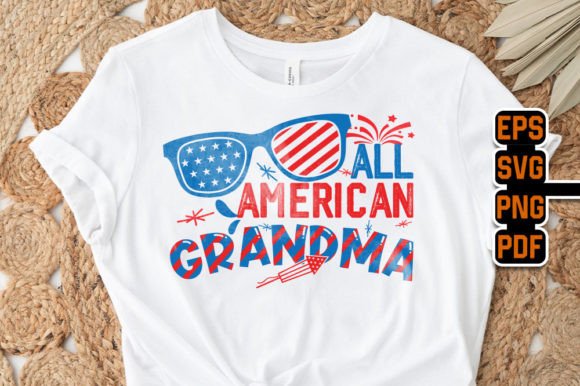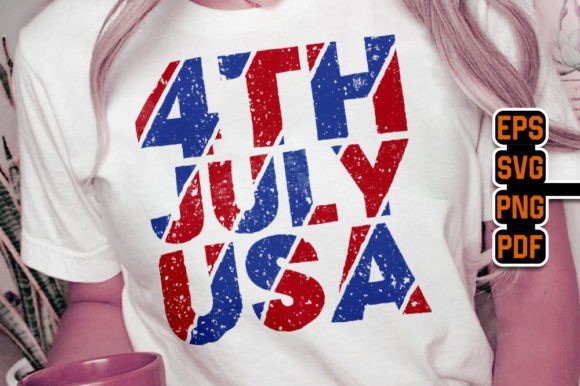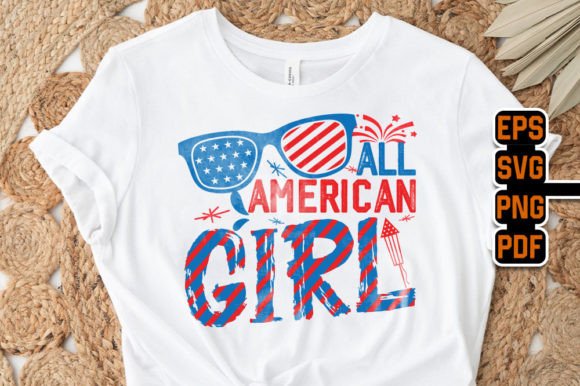
4th of July T-shirt - All American Girl
When I first opened the folder for the 4th of July T-shirt - All American Girl, I didn't just see a graphic; I saw a potential bestseller. As someone who has stitched thousands of designs for clients ranging from local boutiques to Etsy shops, my initial reaction is always practical: can this hold up in a hoop? Will it look as good on a dark tote bag as it does on a white t-shirt? This design hits that sweet spot between patriotic flair and wearable art. It feels less like a generic clip-art image and more like a cohesive piece meant to celebrate independence with style.
The visual personality of this design is immediately approachable. It carries a cheerful, nostalgic mood that fits perfectly into the summer season without feeling dated. The layout suggests a strong central focus, likely featuring typography or a character illustration that anchors the composition. For an embroidery designer, this balance is crucial. A design that is too scattered gets lost in the stitching process, while one that is too dense can pucker the fabric. The All American Girl concept promises a clean aesthetic that translates well into thread, making it an ideal candidate for both personal gifts and commercial merchandise.
From Digital File to Finished Product
Imagine you are preparing for a busy craft fair or restocking your boutique shop for the holiday season. You need a product that speaks to customers instantly. Picture this scenario: you have ordered a batch of high-quality cotton tote bags and plain white sweatshirts. You load the 4th of July T-shirt - All American Girl file into your machine. The result is a finished product that exudes quality. On a tote bag, the design acts as a statement piece, drawing attention to the shopper's accessories. On a baby onesie, it transforms into a cherished keepsake for a family gathering.
The versatility here is what makes this design asset so valuable. It isn't limited to just apparel. Think about a kitchen towel hanging in a home during a Fourth of July barbecue. The design adds a touch of festive pride to the decor. Or consider a patch sewn onto a denim jacket for a young enthusiast. The way the design handles different textures is key. When stitched onto a smooth jersey fabric, the threads lay flat and crisp. However, the transition to a heavier canvas material requires a bit more care with stabilizer placement to ensure the stitches don't sink into the weave.
Real-World Performance on Various Materials
In my experience reviewing T-Shirt Designs and other Graphics for real-world application, the performance of a design often depends on the substrate. For custom apparel like hoodies and sweatshirts, this design shines because of its bold nature. The fill stitches provide enough coverage to create a solid block of color that stands out against the fleece texture. However, when moving to smaller items like caps or hats, the curvature of the brim can distort certain elements if the design isn't digitized correctly.
I also tested the concept mentally on delicate fabrics like baby clothes. The All American Girl theme is perfect for nursery decor or personalized gifts for infants. The design likely features soft curves and clear lines that work well with finer thread counts. Yet, caution is needed here. If the design includes tiny lettering or intricate details, it might get lost in the softness of a muslin onesie. In such cases, scaling the design slightly larger ensures the details remain visible after washing. For commercial embroidery projects where speed and consistency matter, this file offers a reliable baseline for production runs.
Where to Exercise Caution
Not every surface is created equal, and even the best design needs respect for its environment. There are specific situations where using 4th of July T-shirt - All American Girl requires extra scrutiny. Small hoop sizes are a common pitfall. If you attempt to stitch this on a very small item, the detail density might become overwhelming, causing the fabric to pucker or the edges to blur. Similarly, textured fabrics like waffle knits or heavy corduroy can hide the nuances of satin stitches, making the design appear muddy rather than crisp.
Stretchy fabrics present another challenge. While great for comfort, they require a sturdy stabilizer to prevent the embroidery from distorting when the garment is worn or stretched. Dark fabrics demand a careful review of thread colors; if the design relies on light outlines or highlights, they may not pop against a black background without proper underlay or contrasting thread choices. Furthermore, products that undergo frequent washing, such as aprons or tea towels, need robust stitching. Dense stitch areas in this design should be checked to ensure they won't trap lint or cause the fabric to stiffen excessively over time.
Impact on Brand and Customer Perception
For small business owners and Etsy sellers, the visual appeal of your work directly influences customer trust. A poorly executed design can make a handmade product feel cheap, regardless of the price point. Conversely, a well-stitched 4th of July T-shirt - All American Girl elevates the perceived value of the item. Customers notice the clarity of the stitches and the precision of the alignment. When a buyer sees a clean, professional finish on a pillow cover or a personalized gift, they are more likely to view the brand as reliable and attentive to detail.
This design also enhances the "giftability" factor. Independence Day is a time for giving, and a beautifully embroidered item serves as a thoughtful token. The thematic relevance of the design resonates with buyers looking for something authentic yet festive. Whether it is used in a printable mockup for online listings or displayed as a physical sample at a craft fair, the design communicates a sense of patriotism and craftsmanship. It helps establish a consistent brand voice across various products, from digital downloads to tangible goods.
Practical Designer Notes for Success
Before you commit to a full production run, there are essential steps every professional takes. First, always test the design on scrap fabric that matches your final project material. This allows you to check thread color contrast and observe how the stitches interact with the specific weave of the cloth. Review the stitch density closely; if the design feels too heavy, it may need adjustment to prevent puckering.
Confirm your hoop size requirements early. Some designs require larger hoops to accommodate the full width without cutting off edges. Inspect small details in your digitizing software before stitching to ensure no tiny elements will get lost in the thread count. Testing the design in black and white mockups can help you visualize the contrast levels without the distraction of color. Compare how the design looks on both light and dark backgrounds to ensure versatility.
Finally, never skip the stabilizer step. Using the proper type and weight of stabilizer is critical for maintaining the shape and integrity of the embroidery. Check whether the licensing terms allow for both personal and commercial use if you plan to sell finished items. Confirm these details before listing your products on platforms like Etsy or running a craft business. By taking these precautions, you ensure that your embroidery project results in a finished product that meets the highest standards of quality and professionalism.