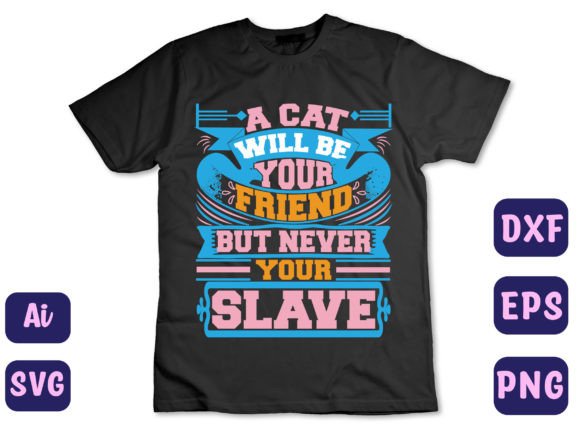
A Cat Will Be Your Friend, but Never You
When I first opened the file for A Cat Will Be Your Friend, but Never You, I didn't just see a graphic; I saw a conversation starter. As someone who has spent years reviewing embroidery files for real-world production, my first instinct is always to look past the digital preview and imagine the thread path. This design carries a distinct personality. It isn't trying to be cute in a generic way; it has an attitude that fits perfectly with modern boutique branding and handmade products that want to speak directly to their audience.
The mood created by this piece is one of playful independence. The typography feels bold yet approachable, making it an ideal candidate for custom apparel or home decor items where the customer wants to express a bit of sass. Whether you are an Etsy seller looking to expand your catalog or a craft business owner preparing for a holiday market, this design offers a unique angle that stands out against the sea of generic animal graphics.
From Digital File to Finished Product
I recently put this design through its paces to see how it translates from a vector file into a tangible embroidery project. The scenario was a custom embroidered tote bag intended as a gift for a friend who is known for her love of cats and her independent spirit. The goal was to create something that felt professional enough for a small shop product but personal enough for a personalized gift.
The layout of A Cat Will Be Your Friend, but Never You works exceptionally well on flat surfaces like canvas totes, aprons, and kitchen towels. When stitching onto a dark fabric background, the contrast provided by the lettering ensures high visibility. However, the success of this machine embroidery design relies heavily on proper stabilizer usage. Because the text is the focal point, any puckering would immediately ruin the message. Using a cut-away stabilizer behind the canvas helped maintain the crisp edges of the letters, ensuring the finished product looked polished rather than amateurish.
For those considering using this as a t-shirt design or sweatshirt embroidery, the density of the stitches needs careful attention. If the fill stitch areas are too heavy, the fabric can become stiff, which is undesirable for wearable items. In my test run, I adjusted the thread tension slightly to ensure the satin stitches lay flat without pulling the fabric. The result was a soft-to-the-touch finish that maintained the integrity of the design while remaining comfortable for the wearer.
Where This Design Shines in Your Business
This file is not just a pretty picture; it is a versatile asset for various commercial applications. The phrase resonates strongly with cat lovers who value their autonomy, making it a perfect fit for niche markets. Here is where I believe A Cat Will Be Your Friend, but Never You will perform best:
- Boutique Branding: Use this on employee aprons or store signage to establish a fun, relatable brand voice.
- Holiday Gifts: It makes an excellent stocking stuffer or Christmas present for the "cat mom" in your life.
- Nursery Decor: While the tone is sassy, it can be softened with pastel thread colors for a baby item or nursery pillow cover.
- Craft Fair Merchandise: Printed mockups of this design on hats and patches are sure to draw attention at local markets.
- Digital Product Previews: For sellers offering digital embroidery files, this design serves as a great example of how a simple concept can drive sales.
The versatility extends to different garment types. On a cap or hat, the curved surface requires a smaller hoop size and precise digitizing to prevent distortion. If the design is too wide, it may wrap awkwardly around the curve of a baseball cap. Therefore, I recommend testing the scale carefully before committing to a bulk order of caps. For embroidered patches, the clean lines of the text allow for neat edge finishing, making them durable accessories for jackets or bags.
Practical Considerations and Potential Pitfalls
While the design is strong, no single file is a magic bullet for every situation. There are specific scenarios where A Cat Will Be Your Friend, but Never You requires extra caution. First, consider the fabric texture. Highly textured fabrics, such as thick fleece or boucle, can obscure fine details. If the lettering includes thin serifs or intricate flourishes, they might get lost in the weave of the material.
Stretchy fabrics present another challenge. Knit materials like jersey t-shirts require a stretch stabilizer to prevent the design from distorting during wear and washing. Without the right support, the stitch density could cause the fabric to ripple, leading to a poor-quality finished product. Additionally, if you plan to use this on a dark fabric, ensure your thread selection provides sufficient contrast. A black-on-black design might look sleek, but it risks being invisible unless the lighting is perfect.
Another area to watch is the hoop size. If you are working with a small hoop, such as those used for cuffs or collars, you must verify that the entire design fits without cropping. Sometimes, designers overlook the margins required for hooping, resulting in a design that gets cut off when placed on a garment. Always check the dimensions of the file against your machine's maximum hoop capacity.
Designer Notes for Success
To get the most out of this design, I advise following a few practical steps before starting your production run. First, test the design on scrap fabric that matches the final material in weight and texture. This allows you to observe how the thread colors interact with the fabric and whether the running stitch or fill stitch settings need adjustment.
Review the stitch density carefully. High-density designs can be difficult to stitch on certain machines, especially older models. If the design is too dense, it may break needles or cause thread jams. Conversely, if it is too sparse, the image may look washed out. Adjusting these settings based on your specific machine is crucial for a professional result.
Inspect small details closely. Even minor imperfections in the digitizing can become glaring errors once stitched. If the design includes tiny lettering or decorative accents, zoom in on the digital preview to ensure nothing is missing. Also, compare light and dark fabric backgrounds to confirm that the design remains legible in all contexts.
Finally, confirm licensing terms before selling finished items. Many commercial embroidery projects require specific permissions for resale. Ensure that your purchase of the embroidery file grants you the right to sell the physical products created from it. Ignoring this step can lead to legal issues down the line.
Final Thoughts on Visual Appeal and Value
In the world of handmade goods, visual appeal drives customer trust. A well-executed design like A Cat Will Be Your Friend, but Never You elevates the perceived value of your product. It signals that you care about quality and detail, which encourages buyers to engage with your brand. When customers see a crisp, well-stitched design on a tote bag or sweatshirt, they are more likely to view it as a premium item worthy of investment.
This design also enhances giftability. The humorous yet heartfelt message makes it easy to justify as a present, increasing the likelihood of repeat purchases from happy customers. Whether you are creating a holiday embroidery collection or expanding your Etsy listings, this file offers a reliable foundation for building a cohesive brand identity.
Ultimately, the success of A Cat Will Be Your Friend, but Never You depends on the execution. With the right preparation, thread choices, and attention to detail, this design can transform a simple piece of fabric into a cherished keepsake. For designers, crafters, and small business owners alike, it represents an opportunity to create something meaningful that resonates with the hearts of cat lovers everywhere.