Birthday Sticker Icon Lollipop Review
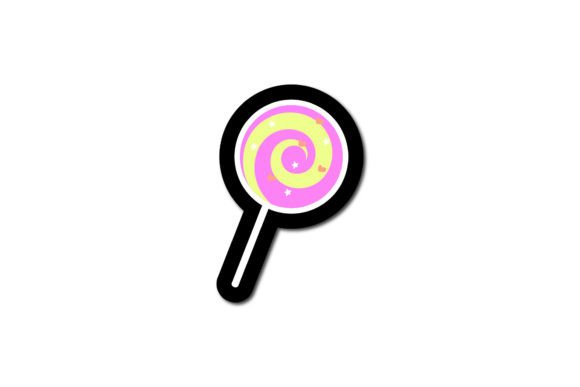
When I first opened the folder for the Birthday Sticker Icon Lollipop, my initial reaction wasn't about the file size or the technical specs, but rather the mood it instantly conjured. As a designer who spends hours evaluating assets for real-world projects, I look for that specific spark of potential. This design feels playful, sweet, and undeniably celebratory. It captures the essence of a child's birthday party without feeling cluttered or overly complex. The visual personality is clean, making it an ideal candidate for anything from a personalized baby onesie to a boutique gift tag.
The concept of a sticker-style icon works particularly well in embroidery because it mimics the aesthetic of a die-cut vinyl decal, which has become a popular trend in modern crafting. However, translating that flat graphic look into thread requires careful consideration of stitch types and density. In this review, I am stepping away from the marketing copy to discuss how the Birthday Sticker Icon Lollipop actually performs when it hits the hoop, specifically focusing on its viability for commercial use and high-quality handmade products.
Real-World Application: From Screen to Stitch
Imagine you are preparing a custom embroidered tote bag for a local craft fair. You want something that screams "party" but remains versatile enough to appeal to a wide range of customers. The Birthday Sticker Icon Lollipop fits this scenario perfectly. Its rounded shapes and bright implied colors (once threaded) create a focal point that draws the eye immediately. When placed on the front pocket of a canvas tote, it acts as a charming accent that suggests a fun, festive occasion.
I also envision this design thriving on baby items. A lollipop motif is universally recognized as a symbol of sweetness and childhood joy. Embroidering this onto a sweatshirt or a nursery pillow cover adds a layer of texture that prints simply cannot match. The softness of the stitches against the fabric enhances the tactile experience of the finished product, increasing its perceived value. For Etsy sellers or small shop owners, this is exactly the kind of asset that can elevate a standard listing into a premium offering.
However, not every surface is suitable. If you plan to use this embroidery file on a curved surface like a baseball cap, you need to be strategic. The sticker design implies a flat plane, so applying it to a highly curved brim might distort the intended shape. It would work better on the crown of the hat or on a patch that is then sewn onto the cap. Similarly, while it looks great on a tea towel, the long-term durability depends heavily on the stabilizer used. Frequent washing is part of life for kitchen linens, and a design with dense fill stitches needs robust support to prevent puckering over time.
Navigating Technical Challenges
Every machine embroidery design comes with its own set of constraints, and understanding them is crucial before you start stitching. The Birthday Sticker Icon Lollipop relies on clear lines to maintain its sticker-like appearance. If you attempt to digitize or embroider this on a very small hoop size, you risk losing the delicate details that give the icon its character. Tiny corners or thin outlines can disappear if the stitch count is too low or the fabric grain is too tight.
Fabric choice is another critical factor. Stretchy fabrics like jersey require a heavy-duty stabilizer to keep the design from warping during the sewing process. If you use this design on a thin t-shirt material without proper backing, the tension of the satin stitches could pull the fabric out of shape, ruining the professional look of your custom apparel. Dark fabrics present a different challenge; you will need to select thread colors that offer sufficient contrast to ensure the lollipop pops against the background. A light-colored outline might get lost on a navy blue shirt, whereas a white or bright yellow thread would define the edges beautifully.
It is also worth noting that designs labeled as icons often contain areas of high stitch density. While this adds richness to the final product, it can make the fabric feel stiff. For a handmade product intended for a baby, excessive stiffness might be uncomfortable. In such cases, reviewing the stitch density and potentially adjusting the settings for a softer hand feel is a necessary step. Always inspect small details before committing to a large production run.
Visual Appeal and Brand Consistency
In the world of digital and physical goods, consistency is key to building trust. The Birthday Sticker Icon Lollipop offers a cohesive look that aligns well with brands focused on celebration, gifts, and children's merchandise. When used in a series of products—such as matching aprons, hats, and gift bags—it creates a unified brand identity that customers recognize instantly. This level of professionalism is essential for commercial embroidery projects where repeat business is the goal.
The design's simplicity allows it to be versatile across different mediums. Whether you are creating a printable mockup for an online store or producing the actual finished product, the core message remains clear. Customers appreciate clarity; they want to know exactly what they are buying. A crisp, well-executed embroidery of this icon communicates quality and attention to detail. It signals that the maker cares about the aesthetics of their work, which directly influences buyer engagement and satisfaction.
For those selling digital assets, this design serves as an excellent example of how a simple graphic can be transformed into a tangible item. It bridges the gap between digital graphics and physical crafts, offering endless possibilities for design assets. Whether you are an experienced Etsy seller or a hobbyist looking to sell at a craft fair, having a reliable digital embroidery file like this one in your library is invaluable.
Practical Notes for the Designer
Before you rush to load the Birthday Sticker Icon Lollipop into your machine, there are a few practical steps you should take to ensure success. First and foremost, test the design on scrap fabric. This is non-negotiable. It allows you to see how the threads interact with the specific material you intend to use and whether the stitch density feels right. Check the thread color contrast by laying the sample next to your intended background fabric; sometimes colors look different on screen than they do in person.
Review the stitch density carefully. If the design includes areas of heavy fill stitch, ensure your machine can handle the thickness without skipping stitches. Confirm the recommended hoop size and stick to it; going smaller can compromise the design's integrity. Inspect small details closely, especially around the edges of the sticker shape, to ensure they are sharp and defined. Using a running stitch for outlines can help soften the look, while a satin stitch provides a bold, glossy finish.
Don't forget to test the design in black and white mockups. This helps visualize the contrast and composition without the distraction of color. Compare how it looks on both light and dark fabric backgrounds to determine the best color palette for your project. Always use a proper stabilizer that matches the weight and stretch of your fabric; this is the backbone of any successful embroidery project.
Finally, confirm licensing terms before selling finished items or digital products. Understanding whether you have the rights to use the Birthday Sticker Icon Lollipop for commercial purposes is vital for protecting your craft business. If the license is unclear, reach out to the creator or check the documentation provided with the download. By taking these precautions, you ensure that your small shop product meets high standards of quality and legality.
Ultimately, the Birthday Sticker Icon Lollipop is more than just a pretty image; it is a functional tool for creators. With the right approach to fabric, stabilizers, and testing, it can become a standout feature in your collection of holiday embroidery or personalized gifts. It brings a sense of joy and creativity to your workspace, reminding us why we started making things in the first place.