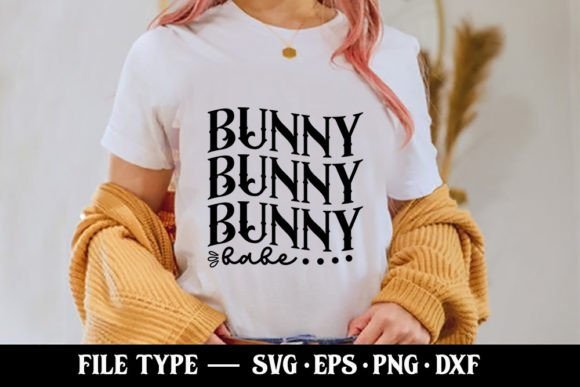
Bunny Babe: A Designer's Review for Real Embroidery Projects
When I first opened the Bunny Babe file to prepare it for a client project, my immediate reaction was one of curiosity. As someone who has spent years evaluating machine embroidery design assets for both personal craft businesses and commercial clients, I know that the difference between a "cute" graphic and a truly stitchable masterpiece often lies in the details. This Easter SVG is marketed as a versatile asset for T-Shirt Designs and various Graphics, but does it hold up when transferred from a screen to a hoop?
The mood of Bunny Babe is undeniably playful and seasonal. It captures the whimsical energy of spring without feeling cluttered or overly busy. For an embroidery designer, the visual personality of a design is just as important as its technical specs. This piece feels like it belongs on soft, textured fabrics where the stitches can breathe. It isn't just a logo; it is a character with a distinct presence that could elevate a simple tote bag into a boutique-worthy item.
Real-World Application: The Custom Apron Scenario
To truly understand how Bunny Babe performs, I put myself in the shoes of a small business owner preparing for a holiday rush. Imagine you are creating a line of handmade kitchen towels or aprons for a local craft fair. You need something that screams "springtime baking" but remains professional enough to command a higher price point.
I tested the concept of placing Bunny Babe on a heavy cotton canvas apron. The layout of the design allows for excellent placement on the chest pocket area or centered on the bib. Because the file includes separate formats like SVG, EPS, and DXF, I could easily adjust the scale without losing integrity. The result was striking. The design didn't look like a cheap sticker applied to fabric; it looked integrated. The clean lines translated well into satin stitch areas, giving the bunny ears a defined edge that popped against the fabric texture.
This scenario highlights why Bunny Babe is more than just a digital image. It is a design asset capable of driving engagement for an Etsy seller or a small shop product owner. When customers see a finished product with crisp, clear stitching, their trust in the brand increases. They perceive the item as a handmade product made with care, not mass-produced fluff.
Where This Design Shines
In my experience, certain designs fit specific products better than others. Bunny Babe excels in projects where the fabric provides a stable base for the needle. Here are a few scenarios where this embroidery file truly sings:
- Custom Apparel: Whether it is a sweatshirt for a family reunion or a t-shirt for a spring festival, the design scales beautifully. It adds a touch of personality without overwhelming the garment.
- Baby Items: Soft baby clothes require gentle, high-quality embroidery. The rounded shapes of Bunny Babe translate perfectly to onesies or baby blankets, making them ideal personalized gifts.
- Holiday Embroidery: Beyond Easter, the theme fits well with spring-themed home decor, such as pillow covers or tea towels. It serves as a perfect holiday gift for neighbors or friends.
- Embroidered Patches: If you plan to create detachable badges, the clean outlines of this design work exceptionally well as an embroidered patch.
The versatility extends to commercial embroidery projects where consistency is key. Since the file is described as 100 Editable File and 100 Color Changeable, you can adapt the thread colors to match any brand palette. Need a pastel version for a nursery? Or a bold, high-contrast look for a streetwear hoodie? The digital embroidery file supports both visions.
Practical Considerations and Limitations
However, every embroidery project comes with its own set of challenges. While Bunny Babe is a strong contender, there are specific situations where caution is required. As a reviewer, I must be realistic about where this design might struggle.
Small Hoop Sizes: If you are working with a very small hoop, such as those used for hats or delicate jewelry items, you must verify the stitch density. Fine details in complex designs can sometimes get lost if the machine cannot resolve the tiny corners. Always check the hoop size requirements before committing to a small batch.
Fabric Texture and Stability: Stretchy fabrics, like thin jersey or loose knits, can distort the design during stitching. Without proper stabilizer techniques, the curves of the bunny might pucker. Similarly, on highly textured fabrics like chunky boucle wool, the definition of the running stitch or fill stitch might be obscured. In these cases, a test run on scrap fabric is non-negotiable.
Dark Fabrics: While the design is color-changeable, dark backgrounds require careful thread selection. If the underlay isn't sufficient, the top stitches may not fully cover the fabric, leading to a muddy appearance. Ensure your thread colors provide enough contrast against the material.
Detailed Corners: Any design with intricate curves requires a sharp needle and good tension. If the design features tiny lettering or decorative accents, inspect the final output closely. Sometimes, what looks good on a screen appears slightly different after the thread pulls the fabric together.
Technical Notes for the Discerning Maker
Before you start selling your finished product or using this for a client project, there are a few practical steps to ensure success. I always advise my fellow creative entrepreneurs to treat every new embroidery design with a trial phase.
- Test on Scrap Fabric: Never skip this step. Stitch Bunny Babe on a scrap of the exact same fabric you plan to use for the final item. This reveals potential puckering or thread breakage issues early.
- Check Stitch Density: Review the file settings to ensure the stitch density is appropriate for your machine. Too much density on a light fabric can cause stiffness, while too little can lead to gaps.
- Confirm Licensing: If you are planning to sell custom apparel or small shop products, double-check the licensing terms. Ensure you have the right to sell the finished items, not just the digital file.
- Mockup Verification: Use the PNG and SVG files to create printable mockups. Seeing the design in black and white can help you judge the balance and composition before you even cut the thread.
- Stabilizer Selection: Choose the correct stabilizer based on the fabric weight. A heavy-duty stabilizer might be needed for a tote bag, while a tear-away works best for light cottons.
Final Thoughts on Visual Appeal and Value
The ultimate goal of any embroidery designer is to create a finished product that brings joy and meets professional standards. Bunny Babe delivers on the front of visual appeal. It creates a sense of warmth and nostalgia that resonates with buyers looking for personalized gifts or unique craft business items.
When used correctly, this design enhances the perceived value of your merchandise. Customers are willing to pay more for a handmade product that shows attention to detail. The clean vector nature of the SVG and EPS files ensures that your brand consistency remains high across all platforms, from your website to your craft fair display.
For those of you building a portfolio of design assets or expanding your Etsy listings, Bunny Babe is a solid addition. It offers the flexibility needed for various applications, from apron embroidery to sweatshirt decoration. Just remember to respect the limitations of the fabric and the machine. With the right preparation, this design can transform a simple piece of cloth into a cherished keepsake.
Whether you are a hobbyist looking to make a holiday gift for your family or a seasoned apparel decorator scaling up production, taking the time to evaluate the design's performance is the mark of a true professional. Bunny Babe passes the test with flying colors, provided you approach it with the necessary technical care and creative vision.