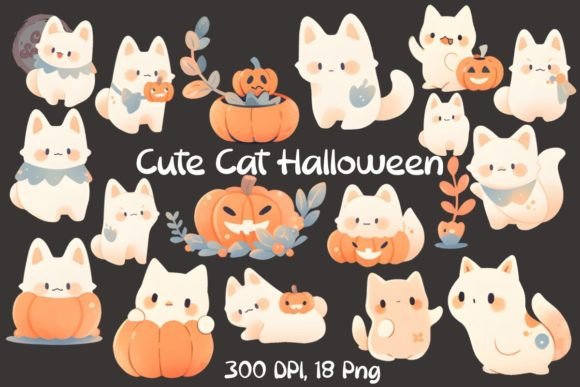
Cute Cat Halloween Sticker Clipart Review
When I first opened the folder containing Cute Cat Halloween Sticker Clipart, my immediate thought wasn't about the file format or the color palette, but rather how this design would translate from a flat digital image into a tactile, stitched reality. As someone who has spent years refining embroidery files for boutique clients and personal gifts, I know that a beautiful illustration does not always guarantee a successful machine embroidery project. The transition from screen to fabric is where many designs fail, often due to overly complex details or poor stitch density planning.
This set of watercolor-style graphics brings a whimsical, soft energy that feels perfect for the upcoming holiday season. However, before I commit to stitching these onto a custom tote bag or a baby onesie, I need to evaluate how they hold up under the needle. The prompt describes these as quality watercolor clip art designs suitable for sublimation, cards, and various textile applications. While the description suggests versatility, the true test lies in the practical application of an embroidery design intended for commercial or handmade use.
The First Stitch: Visual Translation and Mood
The primary appeal of Cute Cat Halloween Sticker Clipart is its mood. It captures that sweet spot between spooky and adorable, which is exactly what customers are looking for when they want something festive without being too aggressive. In a real-world scenario, imagine preparing a batch of embroidered patches for a local craft fair. A cat wearing a tiny pumpkin hat or a witch's hat creates an instant emotional connection with buyers. The watercolor aesthetic implies a softness that translates well to thread work, provided the underlying vector paths are clean.
However, watercolor effects in digital graphics can be tricky. They often rely on subtle gradients and bleeding colors. When converting this into a machine embroidery file, those gradients must be broken down into distinct areas of fill stitch or satin stitch. If the original illustration relies heavily on fine lines to create the "wet paint" look, those details might get lost in the texture of the fabric. For a small business owner, this means the final product needs to maintain clarity even after the threads have compressed the material. The visual personality of the cat remains intact, but the "sticker" feel might shift slightly depending on the thread choice.
Real-World Application: From Design to Finished Product
Let's walk through a specific project scenario. Suppose you are an Etsy seller preparing a line of holiday-themed home goods. You decide to feature Cute Cat Halloween Sticker Clipart on a linen kitchen towel and a canvas tote bag. These items are popular because they offer a large surface area for display, making them ideal for showcasing the full character of the design.
On a sturdy canvas tote bag, the design would likely shine. The fabric provides enough stability to support the stitch density required to capture the cat's features. The contrast between the colorful thread and the neutral canvas background would make the design pop, increasing the perceived value of the handmade product. Customers browsing your shop would see a professional, cohesive look that aligns with their expectations for a custom apparel item.
Conversely, consider using this design on a sweatshirt. The fleece texture can sometimes obscure fine details. If the cat's whiskers or the edges of the pumpkin hat are too thin, they might disappear into the nap of the fabric. This is where the judgment of an experienced designer comes in. You might need to adjust the thread colors to ensure high contrast against the dark fabric, or perhaps simplify the outline to prevent the design from looking cluttered. The goal is to ensure that the embroidery project looks intentional and polished, not like a failed attempt at capturing a delicate painting.
Where Caution is Required
While the potential is high, there are specific scenarios where Cute Cat Halloween Sticker Clipart requires careful handling. Small hoop sizes are a common pitfall. If you attempt to stitch this design on a cap or a narrow patch, the curved surface can distort the proportions of the cat. The watercolor style, which relies on soft transitions, might become jagged if the hoop size forces the fabric to stretch unevenly during stitching.
Textured fabrics also present a challenge. On a rough burlap or a thick wool blend, the running stitch used for outlines might not lay flat, creating a rough edge that detracts from the cute aesthetic. Similarly, thin fabrics like silk or lightweight polyester blends require significant stabilization. Without proper stabilizer, the tension of the stitches could cause the fabric to pucker, ruining the finished product and potentially damaging the machine.
Another critical consideration is dark fabric. Watercolor designs often feature light pastel tones. Stitching these directly onto black or navy fabric without a backing layer or a specific underlay strategy can result in a muddy appearance. The thread might not fully cover the base color, making the design look dull. In such cases, you might need to add a white underlay or choose a different background color for your commercial embroidery item to maintain the integrity of the original artwork.
Impact on Brand and Customer Trust
In the world of craft business and Etsy sellers, presentation is everything. A well-executed embroidery file signals professionalism. When a customer receives a personalized gift featuring Cute Cat Halloween Sticker Clipart, they are buying more than just a decoration; they are buying the assurance that the maker cares about quality. If the stitching is loose, the colors are mismatched, or the details are lost, it erodes customer trust.
On the other hand, a crisp, well-stitched version of this design enhances brand consistency. It shows that you understand how to adapt digital design assets for physical production. This attention to detail increases buyer engagement and encourages repeat purchases. Whether it is for a wedding gift, a holiday gift, or a boutique product, the final result should reflect the care put into the creation process.
Practical Designer Notes for Success
Before you start your next embroidery project, here are some essential steps to ensure Cute Cat Halloween Sticker Clipart performs as expected:
- Test on Scrap Fabric: Always run a test stitch on a piece of scrap fabric that matches your final material. This helps you gauge how the stitch density interacts with the weave of the cloth.
- Check Thread Contrast: Evaluate your thread colors against the fabric background. Ensure that the light and dark elements of the cat are distinct and readable.
- Review Detail Levels: Inspect small details like eyes or whiskers. If they are too fine, consider simplifying the applique design or adjusting the digitization to prevent breakage.
- Confirm Hoop Size: Make sure the design fits comfortably within your machine's hoop size without cutting off any important parts of the image.
- Use Proper Stabilizer: Select the right stabilizer for your fabric type to prevent puckering and ensure the design sits flat.
- Licensing Verification: Before selling finished items or digital products, confirm the licensing terms. Not all digital embroidery files allow for commercial use, so verify that you have the rights to sell small shop products featuring this design.
By taking these precautions, you transform a simple digital illustrations asset into a high-quality, marketable item. The Cute Cat Halloween Sticker Clipart has the potential to be a standout piece in your collection, bridging the gap between digital creativity and tangible craftsmanship. With the right approach, it can elevate your apparel decorators work and delight customers looking for unique, festive additions to their homes.