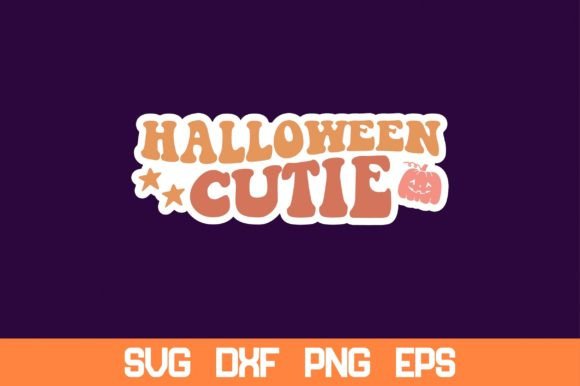
Halloween Cutie Retro Sticker SVG Review
As a designer who spends more time than I care to admit staring at stitch lines and debating thread colors, I don’t just look for "cute" when evaluating a machine embroidery design. I look for viability. Does it stitch cleanly? Will it hold up in the wash? Does it translate well from a digital screen to a physical fabric surface? When I first pulled up the Halloween Cutie Retro Sticker SVG, my initial reaction was one of cautious optimism. The retro aesthetic is undeniably popular right now, but that style often comes with specific technical challenges regarding detail density and color separation.
This review isn't just about whether the file opens correctly—though compatibility is key—it’s about how this embroidery project performs in the real world. I’m looking at this through the lens of an Etsy seller preparing inventory for Q4, or a hobbyist wanting to make a standout personalized gift. Let’s break down what makes this design tick and where it might trip you up.
The First Impression: Mood and Visual Personality
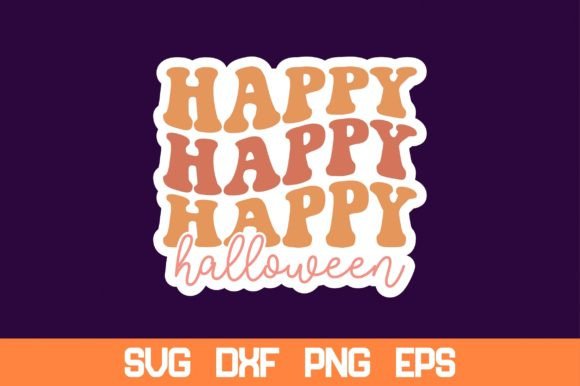
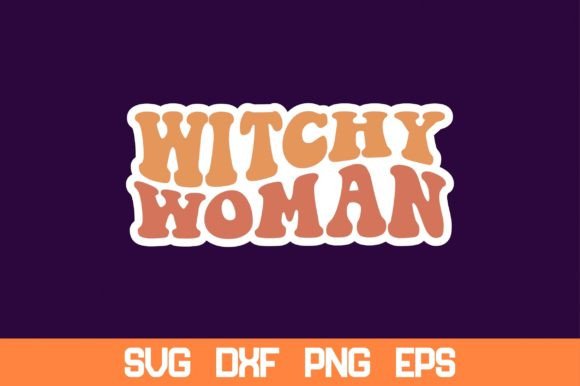
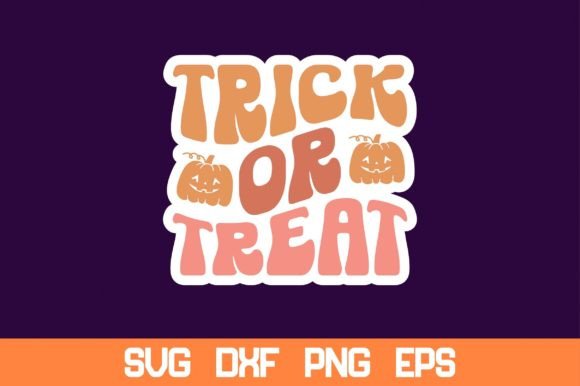
The moment you load the EPS File Vector into your digitizing software or design app, the personality of the piece jumps out. It leans heavily into that nostalgic, mid-century sticker vibe, which immediately sets a friendly, approachable tone. This isn’t a scary Halloween theme; it’s whimsical, soft, and inviting. For a handmade product aimed at families, nurseries, or general holiday decor, this mood is perfect. It feels safe enough for a baby item but festive enough for adult apparel.
From a layout perspective, the design has a balanced weight. It doesn’t feel cluttered, which is a common pitfall with retro sticker styles that try to cram too many elements into a small space. The visual hierarchy is clear, meaning your eye knows exactly where to land. This clarity translates directly to stitching success. When a design looks good on screen, it usually stitches well, provided the digitizer understood the structural integrity of the shapes. The DXF File Auto Cad file included suggests a clean vector structure, which is a huge plus for scaling without losing edge definition.
Real-World Application: Where This Design Shines
I’ve been thinking about how to best utilize this digital embroidery file for actual production runs. Here is where I see the highest potential for customer engagement and sales conversion:
- Custom Apparel and Sweatshirts Embroidery: This design screams fall vibes. Placing this on a cream or mustard yellow sweatshirt would create a stunning contrast. The retro colors likely pop against earth tones, making it a prime candidate for seasonal collections. It works beautifully as a chest-left placement or even centered on the back for a statement piece.
- Baby Embroidery and Nursery Decor: Because the theme is "cutie" rather than "spooky," this is ideal for nursery wall hangings, baby blankets, or onesies. Parents love items that are thematic but not overwhelming. A small version of this design on a muslin burp cloth or a hooded towel adds a touch of personality without being aggressive.
- Tote Bag Design and Craft Business Items: Canvas totes are a staple for any Etsy seller or craft fair booth. This design fits perfectly on a sturdy canvas tote. The sticker aesthetic mimics the look of a decal, which pairs wonderfully with natural fibers like jute or heavy cotton. It gives the impression of a curated, boutique brand identity.
- Embroidered Patch and Accessories: If you plan to use this as an applique design or a standalone patch for denim jackets or backpacks, the clean edges of the vector file will help maintain shape integrity. It’s versatile enough to be used on caps, hats, or even kitchen towels for those who love to display their holiday spirit in the home.
Technical Considerations and Stitching Clarity
While the visual appeal is strong, we need to talk about the mechanics. The description notes it is compatible with major software like Adobe Illustrator and Inkscape, which means you have control over the vector paths. However, as an experienced reviewer, I must advise caution regarding stitch density and fine details.
Retro designs often rely on thick outlines and solid fills. If the original digitization uses tight satin stitches for thin lines, you may encounter puckering, especially on lighter fabrics. Before committing to a large production run, you must test the design on scrap fabric first. Pay close attention to how the fill stitch handles curves. If the design includes tiny text or intricate inner details, verify that these elements won’t get lost in the thread colors or become fragile points of failure after washing.
Also, consider the hoop size. Ensure the design fits comfortably within your machine’s standard hoops if you are working with limited space. If the design is large, you’ll need to plan your hooping strategy carefully to avoid re-hooping errors that can misalign the image. Using a proper stabilizer is non-negotiable here. For stretchy fabrics like jersey knits used in t-shirts, a cut-away stabilizer will prevent distortion. For woven fabrics like those used in aprons or pillow covers, a tear-away might suffice, but always err on the side of more support.
Where to Use Carefully
There are specific scenarios where this design might struggle:
- Small Hoop Sizes: If you attempt to reduce this design significantly, you risk losing the charm. Tiny versions can look muddy if the stitch count remains high relative to the size.
- Textured Fabrics: On bouclé or heavily textured materials, the crisp lines of the retro sticker style may get swallowed by the fabric weave. Stick to smooth cottons, linens, or blends for the best presentation.
- Dense Stitch Areas: If the design has large areas of dense fill, ensure your machine can handle the needle penetration rate. Over-densifying can lead to thread breaks and bulky finishes that feel stiff to the touch.
- Curved Surfaces: While great for flat surfaces like totes and shirts, applying this to curved items like baseball caps requires careful placement. The "sticker" look relies on a flat plane; warping it around a curve might distort the intended aesthetic.
Final Verdict: Value and Professionalism
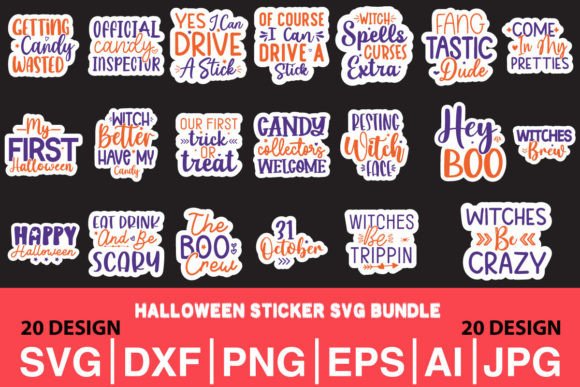
The Halloween Cutie Retro Sticker SVG offers a strong foundation for creative entrepreneurs looking to expand their holiday offerings. Its compatibility with various formats (300 Dpi Background transparent PNG, EPS, DXF) makes it a versatile asset for both embroidery and graphic design workflows. You can use the vector file for printable mockups to market your small shop product before you even start stitching, which is a smart business move.
For the end user, the finished product will feel professional and polished, provided the stitching is executed with care. The retro theme taps into current trends while remaining timeless enough to sell year after year. It builds customer trust because it looks intentional and well-crafted, rather than rushed or generic.
Before you add this to your library, remember to check the licensing terms. If you intend to sell commercial embroidery items, ensure you have the right to do so. Also, inspect the file in black and white mockups to confirm that the contrast levels work for your planned thread palette. By testing thoroughly and choosing the right fabrics, this design can be a standout addition to your repertoire, turning simple garments and accessories into memorable personalized gifts.