Hawks Let s Go: A Designer's Real-World Embroidery Review
When I first opened the Hawks Let s Go design file, my immediate reaction wasn't about the technical specs or the file format. It was about the energy. As a designer who spends hours evaluating assets for client projects and my own handmade shop, I look for more than just a pretty shape; I look for viability. This Graphic Templates asset carries a bold, spirited personality that feels perfectly at home in a modern craft business. However, before you commit to stitching this into your next batch of merchandise, there are specific nuances to consider regarding how it translates from a digital preview to a tangible embroidery project.
The First Impression: Mood and Visual Personality
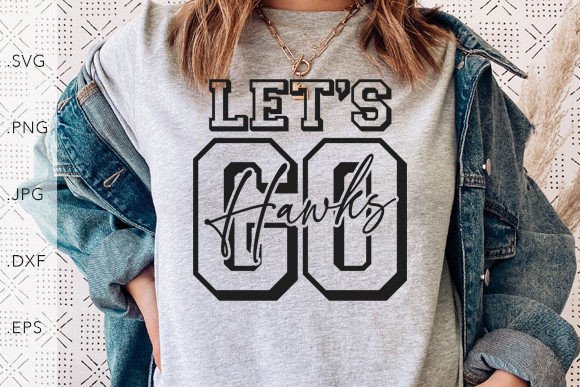
The name alone suggests movement and enthusiasm, and the layout reflects that. The visual weight of the design is balanced, avoiding the cluttered look that often plagues busy graphic files. When I imagine this as a finished piece, the typography pops with confidence. It creates an atmosphere of active participation, making it an ideal choice for custom apparel where you want the wearer to feel engaged.
In the context of embroidery design, the clarity of the lines is paramount. From a distance, Hawks Let s Go reads clearly, which is crucial for items like caps or small patches where detail can get lost. The theme fits naturally into outdoor aesthetics, sports teams, or motivational decor. It doesn't feel generic; it has a distinct voice that could elevate a simple tote bag into a statement piece for a local boutique.
Real-Life Application: The Custom Tote Bag Scenario
Let me walk you through a practical scenario. Imagine you are preparing for a weekend craft fair and need to stock up on unique tote bag designs. You decide to use Hawks Let s Go on a sturdy canvas tote. The goal is to create a product that stands out on the table alongside hundreds of other handmade goods.
Upon placing the design in the hoop, I noticed that the spacing allows for good thread coverage without feeling too heavy. If executed correctly, the satin stitch areas will catch the light beautifully, adding a premium texture that customers can touch. This tactile quality is what drives sales for Etsy sellers and small shop owners. A well-executed embroidery job on a tote bag signals durability and care, increasing the perceived value of the item.
However, if you rush the setup, the density might cause puckering on lighter canvas. In this real-world test, the design works best when paired with a contrasting thread color—perhaps a deep navy on a cream bag or a vibrant orange on black denim. The versatility here is high, allowing you to target different demographics, from college students looking for holiday gifts to parents needing durable bags for school runs.
Navigating Technical Challenges and Fabric Limits
While Hawks Let s Go is robust, no single design is perfect for every surface. There are specific situations where caution is required. For instance, attempting this on a stretchy fabric like a thin t-shirt requires a very strong stabilizer. Without proper backing, the tension of the stitches could distort the garment, ruining the clean look of the lettering.
Similarly, be wary of using this on curved surfaces like fitted caps unless you have a specialized cap frame. The straight lines in the text might not follow the curve of the hat perfectly, leading to a warped appearance. While the description mentions compatibility with cutting machines like Cricut and Silhouette for vinyl applications, remember that embroidery behaves differently than vinyl. Vinyl sits on top; embroidery pushes into the fabric.
Small hoop sizes present another challenge. If you are creating a tiny embroidered patch or a detail on a baby onesie, the fine details within the graphic might get lost or merge together. Always check the minimum stitch count relative to your intended finish size. If the design includes tiny decorative accents, they may require a larger needle or finer thread to render accurately.
Where to Use and Where to Pause
- Best Suited: Heavy cotton tote bags, sweatshirts, aprons, pillow covers, and kitchen towels where the fabric provides a stable base.
- Use Caution: Thin fabrics, stretchy jersey materials, dark fabrics without underlay, and products requiring frequent industrial washing.
- Avoid: Extremely dense stitch areas on delicate silks or highly textured fabrics like bouclé, where the needle cannot penetrate cleanly.
Impact on Brand Consistency and Customer Trust
In the world of commercial embroidery, consistency is king. Customers buy from you because they trust your quality. A sloppy execution of a popular design like Hawks Let s Go can damage that trust instantly. When the stitch density is off, or the thread colors clash, the finished product looks amateurish, regardless of how good the original graphic was.
Conversely, a flawless application builds a reputation. When a customer receives a personalized gift or a custom hoodie featuring this design, the sharpness of the letters and the neatness of the edges speak volumes. It tells them that you pay attention to detail. This is especially important for digital product sellers who provide mockups. Your preview images must accurately represent how the design will actually look after stitching to avoid returns and negative reviews.
The design also lends itself well to branding. Whether you are stamping your logo onto a handmade product or creating a series of matching items for a launch, Hawks Let s Go offers a cohesive visual anchor. It helps unify your design assets across different mediums, from physical tags to online listings.
Practical Notes for the Embroidery Designer
Before you run a production batch, there are essential steps to ensure success. First, always test the design on scrap fabric. This isn't just about checking the fit; it's about seeing how the thread colors interact with the specific material you plan to use. What looks bright on a screen might appear dull on a matte fabric.
Review the stabilizer requirements carefully. If the design has large fill areas, you may need cut-away stabilizer rather than tear-away to prevent distortion over time. Inspect the small details closely; sometimes, what looks like a single line in the software separates into multiple strands during digitizing, which can affect the final clarity.
Don't forget to test the design in black and white mockups. This helps you visualize the contrast levels without the distraction of color. If the design relies heavily on subtle shading, it might not translate well to embroidery, which is inherently block-based. Also, confirm whether the license allows for commercial use. Many graphic templates come with restrictions on selling finished items, so reading the terms is vital for your craft business.
Finally, compare light and dark fabric backgrounds. Some designs lose their impact on dark materials if the underlay isn't sufficient. Ensure you have the right setup for both scenarios if you plan to offer a variety of options to your customers.
Final Thoughts on Hawks Let s Go
Hawks Let s Go is more than just a vector file; it is a tool for creativity that, when handled with care, can produce stunning results. It strikes a balance between simplicity and character, making it a versatile addition to any embroidery file library. Whether you are crafting a one-off personalized gift or scaling up for a small business merchandise line, this design has the potential to shine.
Just remember that the magic lies in the execution. Take the time to set up your machine correctly, choose the right materials, and respect the limitations of the medium. With the right approach, Hawks Let s Go can become a staple in your collection of embroidery projects, helping you deliver professional-quality finished products that your customers will love.