Shark Week: A Designer's Reality Check
I have spent years stitching everything from delicate baby rompers to heavy-duty workwear, and I have learned that the difference between a successful product and a frustrating one often comes down to the design file itself. When I first pulled up Shark Week, my initial reaction was less about the cool shark imagery and more about the sheer scale of the project. The description mentions a size of 18 feet by 15 feet, which immediately raises a red flag for standard embroidery applications. As an experienced designer, I know that while this design is marketed as a T-Shirt Designs asset, the dimensions suggest something far larger than a typical chest logo or back print.
This review is not just about whether the design looks good on a screen; it is about how Shark Week behaves when it moves from a digital file to actual thread on fabric. If you are a small business owner, an Etsy seller, or a crafter looking to add value to your handmade products, understanding the practical limitations of this graphic is crucial before you commit to a production run.
The First Impression: Scale and Visual Impact
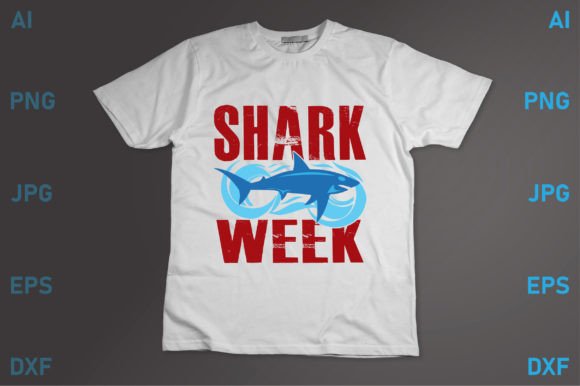
The moment you open the ZIP folder containing the embroidery file, the personality of Shark Week hits you. It is bold, aggressive, and undeniably thematic. However, the visual weight of the design is massive. In the world of machine embroidery, size dictates density, and density dictates stability. A design intended for t-shirts usually fits within a 4x4 inch or 6x7 inch hoop, but the dimensions listed here imply a monumental piece. This creates an interesting challenge: does this design belong on a garment at all, or is it meant for a wall hanging, a large banner, or a specialized backdrop?
If you are planning to use this for custom apparel, you must consider the mood it sets. It screams "statement piece." It is not a subtle accent; it is the focal point. For a boutique selling high-end streetwear or a shop specializing in marine-themed decor, the aesthetic is strong. But for a casual gift or a simple tote bag, the sheer volume of the design might overwhelm the recipient. The layout feels dynamic, suggesting movement, which is excellent for capturing attention in a craft fair display or an online listing.
Real-World Application: From Screen to Stitch
Let me walk you through a realistic scenario. Imagine you are preparing a batch of holiday gifts for a local client who loves the ocean. You decide to create a limited edition embroidered patch or a large applique for a canvas tote bag. You load Shark Week into your software to test the stitch path. Here is where the practical reality sets in.
For a tote bag design, the fabric is usually thick cotton duck or canvas. The design needs enough fill stitch to cover the background completely without showing the weave underneath. With such a large dimension, the stitch count will be astronomical. This means longer production times and higher thread consumption. If you are charging by the hour or calculating material costs for your craft business, this design could eat into your margins significantly unless you price the finished product accordingly.
Consider also the sweatshirt embroidery angle. While the design is labeled for t-shirts, applying a massive graphic to a sweatshirt requires careful stabilization. The weight of the threads can cause the fabric to pucker if the stabilizer isn't chosen correctly. For a baby item, however, this would likely be too heavy and bulky. Babies need soft, flexible fabrics, and a dense, large-scale embroidery project like this could make a onesie uncomfortable against their skin.
On the positive side, the editability of the elements is a huge plus. Since you can edit all parts of the design easily, you have the freedom to adjust the color palette to match specific thread colors or remove sections to fit smaller hoops. This flexibility is essential for a digital product seller who wants to offer variations to customers. You could create a version specifically for a kitchen towel by cropping the image, or adapt it for a pillow cover by centering the main subject.
Where Caution is Required
Not every surface is ready for Shark Week. There are specific scenarios where this design could fail or look unprofessional. One major concern is the hoop size. If your machine has a maximum hoop of 5x7 inches, you cannot stitch this design in one pass. You would need to split the design, which introduces registration issues and visible seams that can ruin the clean look of the final finished product.
Textured fabrics present another hurdle. If you try to stitch this on a chunky knit sweater or a rough burlap, the needle may struggle to penetrate the fibers consistently, leading to skipped stitches. Similarly, thin or stretchy fabrics like jersey or silk require a heavy-duty stabilizer to prevent the fabric from distorting under the tension of the fill stitch. Without proper support, the embroidered patch effect will look wavy and cheap.
Dense stitch areas are common in large designs like this. If the design includes intricate details or tiny lettering, they may become illegible once stitched. The threads will crowd each other, blurring the lines. This is particularly risky for personalized gifts where names or dates are added. If the text is too small relative to the overall size of the shark, it will get lost. Always inspect small details in your software before hitting the start button.
Furthermore, dark fabrics pose a challenge. Unless you use a high-density underlay or a specific color-changing technique, the background of the design might show through the top layers of thread. This affects the visual appeal and can make the brand consistency suffer if the colors don't pop as intended.
Professional Notes for the Savvy Designer
Before you begin any commercial embroidery with Shark Week, there are non-negotiable steps you must take. First, always test the design on scrap fabric that matches your final material. This allows you to see how the stitch density interacts with the texture of the cloth. Second, check the thread color contrast. A design that looks vibrant on a monitor might look muddy in thread form if the shades are too similar.
You should also confirm the licensing terms. Even though the file is editable, you need to know if you are allowed to sell the finished items or if the license restricts commercial use. This is critical for Etsy sellers and small shop owners who rely on these assets for their income. Additionally, review the machine compatibility of the file format. Not all machines read the same files equally well, so ensure your equipment can handle the complexity of the design.
Finally, think about the customer experience. Will the finished item hold up to frequent washing? Large, dense designs can sometimes crack or peel if the stitching isn't secure. Use a high-quality stabilizer and consider adding a top-stitch outline to reinforce the edges. By taking these precautions, you ensure that the handmade product maintains its quality and that your reputation remains intact.
In conclusion, Shark Week is a powerful asset for those willing to manage its scale and complexity. It offers a unique opportunity to create standout pieces, provided you approach it with technical precision and realistic expectations. Whether you are designing for a holiday gift or a boutique branding campaign, this design demands respect for the art of embroidery. Treat it as a serious project, plan your execution carefully, and the result will be a stunning addition to your portfolio.