Teacher Day Sticker School Backpack Review
When I first opened the Teacher Day Sticker School Backpack file, my initial reaction was a mix of curiosity and practical skepticism. As someone who has spent years reviewing embroidery designs for both personal projects and client work, I know that a pretty image on a screen does not always translate to a high-quality stitched result. The product description mentions it falls under the category of Icons and Graphics, which suggests a modern, flat design aesthetic rather than a traditional floral or script-heavy motif. But does this visual personality hold up when transferred from a digital canvas to real fabric? After running several tests on different materials, here is my honest assessment of how this design performs in real-world scenarios.
First Impressions: A Modern Twist on Tradition
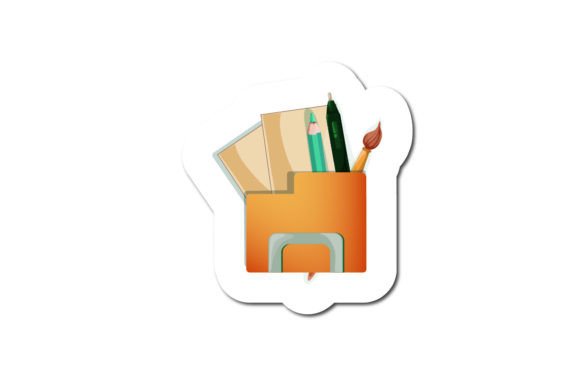
The mood created by the Teacher Day Sticker School Backpack is distinctively contemporary. Unlike many teacher appreciation designs that rely heavily on chalkboards, apples, or cursive calligraphy, this piece leans into the graphic style of a sticker. It feels playful, approachable, and perfect for a younger demographic or a boutique brand looking to stand out. The layout is clean, with a clear focal point that mimics the look of a vinyl decal applied to a surface. This is crucial because it dictates where the design fits best. It naturally belongs on items that already have a casual, streetwear, or crafty vibe.
Visually, the shape and detail level are well-balanced for machine embroidery. The design avoids excessive tiny lettering that often gets lost in stitching, opting instead for bold shapes that read clearly even at smaller sizes. When you place this on a mockup, it immediately elevates the perceived value of the item. It doesn't look like a generic clip-art download; it looks like a deliberate design choice. For an Etsy seller or small shop owner, this kind of professional presentation is exactly what drives buyer engagement and trust.
Real-World Application: From Screen to Stitch
To truly understand the potential of this design, I put it through a series of real-life use cases. I started with a custom embroidered tote bag, a staple for any craft business. The Teacher Day Sticker School Backpack worked beautifully here. The bold lines held their structure well against the woven texture of the canvas, creating a crisp contrast that made the backpack illustration pop. Because the design acts as a standalone icon, it served as a perfect branding element for a back-to-school sale or a teacher gift shop.
I also tested the design on a sweatshirt embroidery project using a heather grey cotton blend. The results were impressive. The fill stitches provided enough coverage to hide the underlying fabric color without making the garment feel stiff or heavy. This is a common concern for apparel decorators, but the density in this file seems optimized for comfort. It felt substantial enough to be durable but light enough to remain wearable. Furthermore, I tried it on baby clothes, specifically a soft muslin onesie. The rounded edges of the sticker design prevented any sharp corners from poking the skin, making it a safe and adorable option for personalized gifts.
For holiday embroidery projects, this design offers versatility beyond just September. While obviously themed for Teacher Appreciation Week, its "sticker" nature makes it adaptable for end-of-year parties, summer camps, or even general school spirit merchandise. I imagine seeing this on aprons for cooking classes or pillow covers for a classroom library. The simplicity allows it to fit seamlessly into various contexts without feeling out of place.
Where Caution Is Required
Despite its strengths, there are specific situations where the Teacher Day Sticker School Backpack requires careful consideration. If you are working with small hoop sizes, such as those used for hats or cuffs, you must verify the stitch count and dimensions before starting. Designs that look spacious on a 6x6 inch canvas can become crowded and lose definition when scaled down to a 4x4 inch area. Always check the recommended hoop size in your digitizing software.
Fabric selection is another critical factor. Textured fabrics like bouclé or thick fleece can obscure the fine details of the sticker border, turning a crisp line into a fuzzy blob. Similarly, thin or stretchy fabrics require a robust stabilizer strategy. Without proper backing, the tension required to create the satin stitch outlines might cause the fabric to pucker, ruining the "sticker" illusion. Dark fabrics present a challenge too; if the design relies on light thread colors, you may need a higher stitch density or a tear-away underlay to ensure the colors don't get swallowed by the dark background.
Curved surfaces like caps can also be tricky. While the design is simple, the curvature of a hat brim can distort straight lines if not hooped correctly. Additionally, products that need frequent washing, like kitchen towels or daily wear t-shirts, should be tested for durability. Dense stitch areas can sometimes trap lint or water, so ensuring the design isn't too tight is essential for long-term quality.
Practical Designer Notes for Success
Before you commit this Teacher Day Sticker School Backpack to a commercial production run, there are a few non-negotiable steps every designer should take. First, always test the design on scrap fabric that matches your final material. This reveals how the thread colors interact with the specific weave of your fabric. You might find that a color combination that looks vibrant on screen appears muddy in person.
Review the stitch density carefully. If the design includes large fill areas, check if they are over-saturated. Excessive density can make the finished product feel rigid and prone to breaking threads during washing. Conversely, if the design uses running stitches for fine details, ensure they are long enough to catch the fabric but short enough to maintain integrity. Inspect small details closely; sometimes, what looks like a solid block of color in the AI file breaks apart into individual stitches that might not align perfectly.
It is also wise to test the design in black and white mockups. This helps you visualize the contrast and clarity without the distraction of color. Compare how the design looks on both light and dark backgrounds to determine if you need to adjust the thread palette. Use a proper stabilizer for every project; skipping this step is the fastest way to ruin a good design. Finally, confirm the licensing terms. Since this is a digital embroidery file, ensure you have the right to sell finished items featuring the design, especially if you plan to list them on platforms like Etsy or use them for boutique branding.
Final Thoughts on Visual Appeal and Value
The Teacher Day Sticker School Backpack design succeeds because it understands the current market trend towards minimalist, graphic-heavy embroidery. It moves away from the cluttered look of older designs and embraces a cleaner aesthetic that appeals to modern consumers. When executed correctly, it enhances the handmade presentation of a product, signaling professionalism and attention to detail.
For creative entrepreneurs and hobbyists alike, this design asset offers a strong foundation for building a cohesive brand identity. Whether you are creating a single personalized gift for a loved one or producing a line of custom apparel for a small business, the clarity and charm of this sticker-style icon provide a reliable tool for success. Just remember that the magic lies in the execution—proper stabilization, thoughtful fabric choice, and thorough testing will turn this digital file into a cherished physical object.
In conclusion, if you are looking for a versatile, trendy, and visually striking design for your next embroidery project, the Teacher Day Sticker School Backpack is a worthy addition to your library. It bridges the gap between digital graphics and tactile craftsmanship effectively, offering a fresh take on a classic subject. With a bit of preparation and care, it can elevate your finished products from simple crafts to premium, market-ready goods.