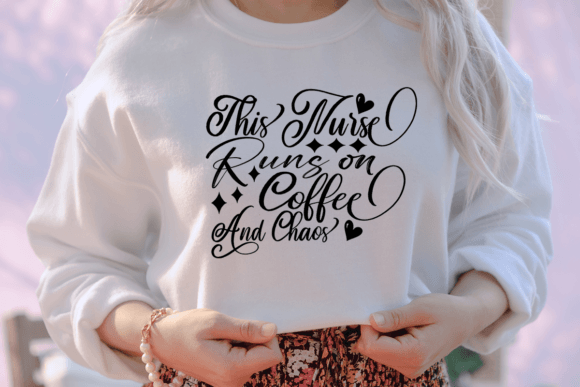
This Nurse Runs on Coffee and Chaos
As a designer who has spent years turning digital files into tangible, stitched masterpieces, I approach every new machine embroidery design with a mix of excitement and skepticism. The market is flooded with graphics that look perfect on a screen but fall apart under the needle. Recently, I evaluated a specific asset titled This Nurse Runs on Coffee and Chaos to see if it holds up in the real world of custom apparel and boutique products. This review is not just about the file itself; it is about how this design translates from a digital embroidery file into a finished product that customers will actually want to wear or display.
The First Impression: Mood and Visual Personality
The moment you open the folder for This Nurse Runs on Coffee and Chaos, the intent is clear. It captures the chaotic energy of healthcare work while balancing it with a touch of humor. For a professional designer, the layout is the first thing to judge. Does the text flow naturally? Are the kerning and spacing appropriate for stitching? In this case, the design feels organic. It does not scream "template" but rather offers a personality that fits perfectly within the nursing community. The phrase suggests resilience and a sense of humor, making it an ideal candidate for personalized gift projects where emotional connection matters more than intricate detail.
The visual weight of the typography is balanced well enough that it can stand alone on a garment without needing excessive decorative elements. When I imagine this as a tote bag design or a sweatshirt embroidery piece, it immediately creates a relatable narrative. It speaks directly to the target audience, which is crucial for any craft business owner looking to sell on platforms like Etsy or at local craft fairs.
Real-World Application: From Screen to Stitch
To truly understand the value of This Nurse Runs on Coffee and Chaos, I simulated its use in a few common scenarios. Let's say I am preparing a batch of holiday gifts for a local clinic. The goal is to create something that makes the nurses feel seen and appreciated. Using this design on a high-quality apron or a cozy kitchen towel would be a winning move. The text is long enough to serve as the focal point but not so dense that it becomes difficult to read after washing.
For a small shop owner creating merchandise, this design offers versatility. It works beautifully on a baby item for a nurse expecting a child, serving as a sweet transition piece. However, the true test lies in the stitch density. If the design includes heavy fill stitches, it might be too stiff for delicate fabrics like a baby onesie. But if the artist used a combination of satin stitch for outlines and running stitch for lighter areas, it would drape nicely over curved surfaces like a cap or a pillow cover. The design's ability to adapt to different fabric textures is what separates a good graphic from a great embroidery asset.
Navigating Technical Challenges
No design is without its pitfalls, and This Nurse Runs on Coffee and Chaos requires careful planning depending on where you intend to place it. One of the most critical factors is the hoop size. Because the phrase contains multiple words, it needs a horizontal space that might not fit in a 4x4 hoop. If you are working with smaller hoops, you may need to split the design or choose a smaller font variation, though the original file should dictate the best approach.
Fabric choice is another area where judgment is required. On stretchy materials like a standard cotton t-shirt, the tension of the threads can cause puckering if the stabilizer is not adequate. You must ensure you are using the right stabilizer to support the weight of the design. Furthermore, dark fabrics present a challenge. If the design relies on light thread colors, the contrast might get lost against a navy or black background unless you plan a specific underlay or use a contrasting thread palette. Testing on scrap fabric is non-negotiable here.
There are also limitations regarding fine details. If the design features tiny lettering or sharp corners, these areas are prone to breaking down during the embroidery process. Dense stitch areas can sometimes lead to a bulky finish, which might not be comfortable for all-day wear on a custom apparel item. Always inspect the design for potential weak points before committing to a production run.
Impact on Product Value and Brand Consistency
When you sell handmade goods, the quality of your embroidery reflects directly on your brand. A poorly executed design can make even a high-quality product look cheap. Conversely, a well-stitched This Nurse Runs on Coffee and Chaos project elevates the perceived value. Customers are willing to pay more for items that show attention to detail and durability. The humor in the phrase adds a layer of engagement, making the product memorable and shareable. This is vital for Etsy sellers and creative entrepreneurs who rely on word-of-mouth marketing.
The design also serves as a strong branding tool. Imagine a boutique selling medical-themed gifts. Having a cohesive collection featuring this phrase creates a unified aesthetic. It signals to the buyer that the shop understands the culture of the profession. This level of thoughtfulness builds trust and encourages repeat business.
Practical Designer Notes for Success
Before you start stitching, there are several steps you must take to ensure a successful outcome. First, always test the design on a scrap piece of the same fabric you plan to use for the final product. This allows you to check the thread color contrast and adjust the tension if necessary. Do not assume the default settings on your machine will work for every material.
If you are planning to sell finished items, verify the licensing terms associated with the graphics. Some designs are for personal use only, while others allow for commercial application. Confirm whether you can sell the embroidered patch or the finished product derived from this file. Clarity on this front protects your small shop product line from legal issues.
Additionally, consider the longevity of the design. Products that require frequent washing, like kitchen towels or uniforms, need robust stitching. Check the stitch density to ensure the threads will hold up over time. If the design looks good in a printable mockup, that is a good sign, but the physical result is what ultimately matters. Compare light and dark fabric backgrounds to see how the design adapts. Finally, review the file formats provided, such as SVG, PNG, DXF, and EPS, to ensure they are compatible with your digitizing software and embroidery machine.
In conclusion, This Nurse Runs on Coffee and Chaos is a versatile and emotionally resonant design that fits well into the world of commercial embroidery and handmade products. It offers a realistic solution for those looking to create meaningful gifts or expand their product lines. By paying attention to the technical details and testing thoroughly, you can transform this digital asset into a cherished physical object that celebrates the hard work of nurses everywhere.