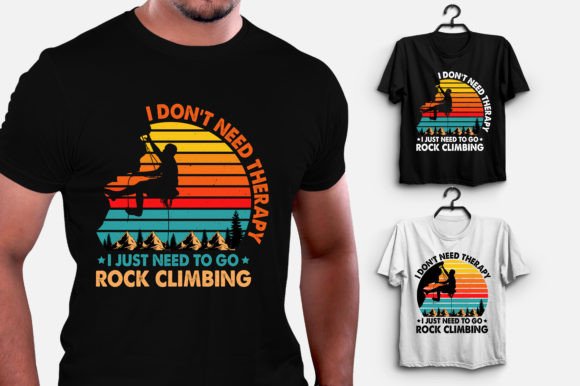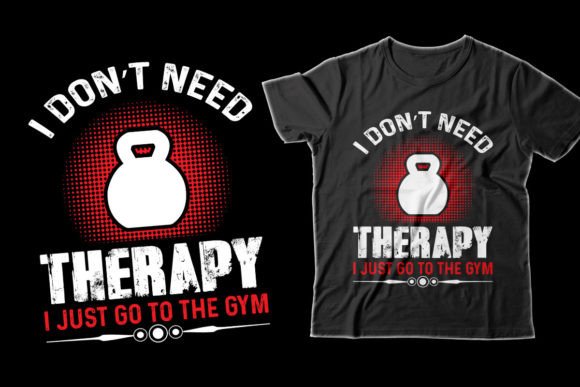
I Don’t Need Therapy I Just Go T-Shirt
When you are a designer who works with embroidery files daily, your eye naturally starts dissecting every graphic you see. You stop looking at the image as just art and start seeing it as stitches, density, and potential customer reaction. That is exactly what happened when I pulled I Don’t Need Therapy I Just Go T-Shirt into my workspace for a closer look. It is listed under T-Shirt Designs and Graphics, but in our world, those categories often blur. The real question isn't whether it looks good on a screen; it is whether it holds up under the needle.
This design carries a specific energy. It taps into the modern humor of self-care through physical activity, a theme that resonates deeply with gym-goers, fitness enthusiasts, and anyone who needs a laugh about their mental health routine. As an experienced reviewer, I am always looking for designs that balance wit with wearability. This one feels like it belongs in the realm of custom apparel where personality takes center stage. It is bold, slightly rebellious, and undeniably relatable.
The First Impression: Mood and Visual Personality
The first thing you notice about I Don’t Need Therapy I Just Go T-Shirt is its confident layout. It does not whisper; it speaks directly to the viewer. For an embroidery project, this directness is crucial. When you translate text-based graphics into machine embroidery, you have to ensure the message remains legible after the fabric distorts slightly under the hoop. The visual personality here suggests a casual, fun vibe that fits perfectly with handmade products meant for everyday use.
I imagine this design sitting comfortably on a sweatshirt embroidery piece or perhaps a tote bag design for someone heading to their morning workout. It has a streetwear aesthetic that appeals to craft business owners looking to create trendy items. The humor is dry but accessible, which means it has broad appeal. It isn't niche enough to alienate buyers, yet specific enough to feel personal. This is the sweet spot for small shop product creators who want to sell items that feel curated rather than mass-produced.
Real-World Application: Where Does It Fit?
Let’s talk about how this would perform in actual production scenarios. I recently considered using a similar text-heavy design for a personalized gift order—a set of matching gym towels for a bachelorette party. While I Don’t Need Therapy I Just Go T-Shirt might be too long for a standard towel hem, it would work beautifully on a larger item.
Consider a baby embroidery project. There is a growing market for humorous onesies and nursery decor. Placing this design on a neutral-colored baby blanket or a soft cotton bib could be a hit for parents who appreciate fitness culture. The contrast between the tough "gym" message and the delicate nature of baby clothes creates a charming juxtaposition. However, you must be careful with placement. On curved surfaces like caps or hats, the text needs to follow the curve without stretching. If the design relies on straight lines, it may warp during stitching.
For commercial embroidery projects, this design shines on aprons. A chef or home baker who loves the gym would find this both functional and funny. It adds character to kitchen towels and pillow covers, turning mundane household items into conversation starters. The versatility of this graphic allows it to cross over from digital product previews to tangible finished products seamlessly. Whether you are an Etsy seller listing printable mockups or a boutique owner creating limited edition runs, the design assets hold up well across different mediums.
Technical Considerations and Stitch Clarity
As we move into the technical side, the devil is in the details. Text-based embroidery files require precise stitch density to avoid puckering. If the fill stitch is too dense, the fabric will bunch up, ruining the clean look of the lettering. Conversely, if it is too sparse, the backing material might show through, making the design look cheap.
When evaluating I Don’t Need Therapy I Just Go T-Shirt, I advise checking the satin stitch edges on any outlined letters. Satin stitches need to be tight enough to cover the fabric but loose enough to lay flat. If the thread colors do not provide enough contrast against the background fabric, the design will get lost. This is especially important when working with dark fabric or textured fabrics like fleece or terry cloth.
You should also inspect the small details. Are there tiny decorative accents or thin running stitch elements? These can break easily if the hoop size is too small or if the stabilizer choice is inadequate. Always test the design on scrap fabric first. This simple step can save you hours of re-stitching and frustration. Check whether the design works for both personal and commercial projects by reviewing the license terms, but more importantly, check how it behaves physically on the material.
Where to Use It Carefully
Not every surface is created equal. There are specific situations where I Don’t Need Therapy I Just Go T-Shirt might struggle:
- Small Hoop Sizes: If the design exceeds the capabilities of a 4x4 hoop, you risk distortion. Ensure your hoop size matches the design dimensions.
- Stretchy Fabric: Materials like spandex or thin jersey can distort under tension. Use a proper stabilizer to support the fabric during stitching.
- Dense Stitch Areas: Avoid placing heavy fill stitches near delicate seams or buttons, as the bulk can cause discomfort or damage.
- Tiny Lettering: If the text includes very small font sizes, it may become illegible after washing. Stick to readable sizes for longevity.
Impact on Brand and Customer Trust
In the world of handmade goods, presentation is everything. A well-executed embroidery project builds trust. When a buyer receives a sweatshirt or tote bag with crisp, clear stitching, they perceive higher value. They see the care and professionalism you put into the work. I Don’t Need Therapy I Just Go T-Shirt, when stitched correctly, elevates the perceived quality of the item.
It also enhances brand consistency. If your shop focuses on witty, lifestyle-oriented apparel, this design aligns perfectly with that identity. It encourages engagement because people love to share funny, relatable content. A customer wearing a hat with this phrase is essentially walking advertising for your brand. The design’s humor invites interaction, making it a powerful tool for social media marketing and word-of-mouth referrals.
Final Verdict for Designers and Makers
After putting I Don’t Need Therapy I Just Go T-Shirt through a mental simulation of various production workflows, I am convinced it is a strong contender for your library. It offers a perfect blend of humor, style, and versatility. It is suitable for holiday embroidery gifts, wedding favors for athletic couples, or everyday wear for the fitness-conscious.
Remember to compare light and dark fabric backgrounds before finalizing your orders. Use black and white mockups to check contrast levels. Confirm licensing before selling finished items or digital products to protect your business. And most importantly, trust your instincts. If a design feels right for your audience and looks good in practice, it is worth adding to your collection.
This design proves that even simple text graphics can carry significant weight when executed with skill and intention. It is not just a print; it is a statement. And in the crowded marketplace of handmade products, statements are what make customers stop, look, and buy.