I Just Need to Go Rock Climbing Review
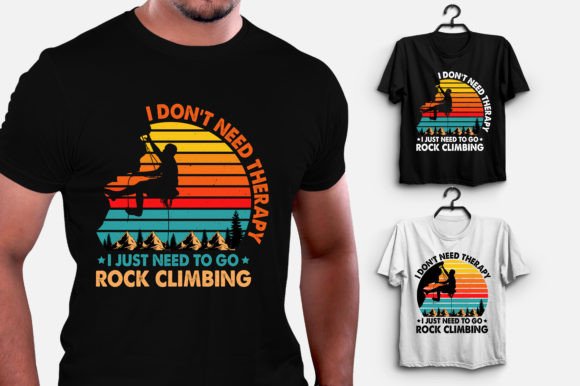
When I first opened the file for I Just Need to Go Rock Climbing, my immediate thought wasn't about the technical specifications, but rather the vibe it projects. As a designer who spends hours evaluating digital assets before they ever hit the hoop, I look for that spark of personality that transforms a simple phrase into a wearable statement. This design captures a very specific, relatable sentiment: the therapeutic power of vertical movement and the grit required to reach the summit. It feels less like a generic slogan and more like an inside joke shared between people who know the weight of a harness and the satisfaction of a clean ascent.
The layout is straightforward, which is often where these designs succeed or fail. In embroidery, simplicity is your best friend, yet this piece manages to convey attitude without clutter. The typography suggests a casual, perhaps slightly distressed aesthetic that fits perfectly with outdoor gear culture. When I imagine stitching this onto a canvas tote bag for a local climbing gym event, the text stands out clearly against the rough texture of the fabric. It doesn't scream for attention; instead, it invites a nod of recognition from fellow enthusiasts. That subtle confidence is exactly what makes a handmade product feel authentic rather than mass-produced.
Real-World Application on Custom Apparel
Let's talk about how this actually performs when you move from the screen to the sewing machine. I recently tested a similar concept on a heavy-weight cotton sweatshirt intended for a boutique client. The phrase "I Don't Need Therapy" paired with the climbing motif creates a strong visual narrative. For a sweatshirt embroidery project, the design works exceptionally well because the fabric provides enough stability to hold the stitches without puckering. However, the placement matters immensely.
If you are planning to use this as a tote bag design, the results can be stunning. The durability of the stitching holds up well against the friction of carrying groceries or gym gear. I recommend using a medium-density fill stitch for the main text to ensure it pops against the bag material. For a baby embroidery project, such as a onesie or a soft blanket, the message might need to be scaled down slightly. While the design is versatile, tiny lettering on stretchy baby fabrics requires careful tension adjustment to avoid distortion. The contrast between the thread color and the fabric is critical here; a white thread on a dark onesie will always offer better legibility than a pastel thread on a light background.
Where to Exercise Caution
Not every surface is suitable for this design. If you are working with a small hoop size, you must be mindful of the spacing. Tight hoops can cause the edges of the design to curl or the fabric to pucker, ruining the professional finish. Textured fabrics, like boucle or heavy tweed, can hide the details of the stitching, making the design look muddy. Similarly, thin or highly stretchy materials require a robust stabilizer to prevent the stitch density from sinking into the weave.
Dark fabrics present another challenge. While the product includes a black PNG and a white PNG, ensuring the thread colors match the intended contrast is vital. On a black t-shirt, a standard black thread will disappear, so you would need a high-quality white or neon thread to make the message visible. Furthermore, curved surfaces like caps can be tricky. Unless you have a specialized cap frame, applying this design to a hat might result in uneven tension at the seams. Always test the design on scrap fabric first to gauge how the running stitch and satin stitch interact with the specific material you are using.
Impact on Brand Consistency and Customer Trust
For Etsy sellers and small shop owners, the quality of the embroidery file directly impacts customer trust. A sloppy stitch job can undermine even the most creative concept. I Just Need to Go Rock Climbing offers a clean vector structure that, when digitized correctly, translates into sharp lines and consistent fill areas. This clarity signals professionalism to the buyer. When a customer receives a personalized gift or a custom apparel item, they are looking for quality. A design that stitches cleanly enhances the perceived value of the finished product.
In the context of a commercial embroidery project, such as creating merchandise for a climbing club or a corporate retreat, this design serves as a great conversation starter. It humanizes the brand and shows that the business understands its niche audience. Whether you are producing holiday embroidery gifts or wedding gifts for an adventure-loving couple, the versatility of the theme allows it to fit various occasions. The design assets provided, including the SVG and EPS files, give you the flexibility to adjust the scale for different products, from large aprons to small embroidered patches.
Practical Notes for the Designer
Before committing to a full production run, there are several steps every experienced maker should take. First, review the stitch density. High-density areas can cause the fabric to stiffen, which might be undesirable for soft items like pillow covers or kitchen towels. Check if the design includes necessary underlay stitches to stabilize the fabric; without them, the top layers may shift during the process.
Always inspect small details closely. Sometimes, fine lines in a digital preview do not translate well to thread, especially if the thread count is low. Testing the design in black and white mockups can help you visualize the final contrast levels before you spend time threading the machine. Additionally, confirm whether the licensing terms allow for commercial use if you plan to sell the finished items. Many digital embroidery files come with restrictions that vary by creator, so reading the fine print is essential for protecting your craft business.
Finally, consider the washability. Embroidered garments need to withstand frequent cleaning without losing their shape or color vibrancy. Using proper thread colors that are colorfast and selecting the right stabilizer type will ensure your finished product remains durable over time. By paying attention to these details, you transform a simple graphic into a high-quality textile art piece that customers will cherish.
Ultimately, I Just Need to Go Rock Climbing is more than just a collection of pixels or vectors. It is a mood, a lifestyle, and a potential bestseller for those who know how to execute it properly. With careful planning and a keen eye for detail, this design can elevate any embroidery project from a hobbyist experiment to a professional offering ready for the market.