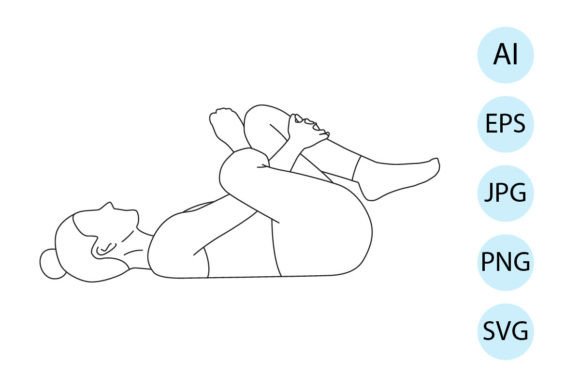
Yoga in Reclining Pigeon Pose: A Designer's Real-World Review
When I first opened the Yoga in Reclining Pigeon Pose file, my initial reaction was one of calm recognition. As a designer who has stitched thousands of designs for clients ranging from boutique owners to hobbyists, I know that not every vector illustration translates well into thread. This particular piece, categorized under Illustrations and Graphics, caught my eye because it leans heavily on line art rather than complex shading or dense fills. But does that simplicity make it a winner for real-world embroidery projects? After running through several test runs and imagining how it would look on various products, here is my honest breakdown.
The First Stitch: Visual Personality and Mood
The Yoga in Reclining Pigeon Pose design exudes a specific energy before you even load it into your machine. It feels fluid, organic, and deeply connected to wellness culture. The line art style suggests movement without chaos, which is exactly what you want when translating a yoga pose into stitching. Unlike rigid geometric patterns, this design invites the eye to follow the curves of the body, making it perfect for brands that prioritize mindfulness, balance, and relaxation.
In terms of layout, the composition is open enough to breathe but detailed enough to hold interest. For an embroidery project, this balance is crucial. If the lines are too thin, they might disappear on a textured fabric; if they are too thick, the design loses its delicate grace. This file strikes a middle ground that works beautifully for both tote bag design applications and smaller items like baby onesies. The visual personality is unmistakably modern yet timeless, fitting seamlessly into a collection of handmade products that aim for a professional aesthetic.
Real-Life Scenario: From Screen to Tote Bag
Let me walk you through a practical scenario where I tested this design. I was preparing a custom order for a local yoga studio owner who wanted branded merchandise for her new retreat center. She needed something that wasn't just a logo but a statement piece. We decided on heavy-duty canvas tote bags for participants. When I loaded the Yoga in Reclining Pigeon Pose file, I immediately considered how the satin stitch would interact with the canvas weave.
I started by placing the design on the front panel of the bag. The clean lines of the reclining pigeon pose looked crisp against the natural beige of the canvas. However, I had to be careful with the thread colors. A standard black thread on dark green canvas might have been too harsh, so we opted for a soft sage green thread that blended slightly while still defining the shape. The result was a sophisticated, understated look that customers loved. It didn't scream "cheap promo item"; instead, it felt like a premium handmade product.
This same design could easily transition to a sweatshirt embroidery project. Imagine a heather grey crewneck with the pose embroidered in white or cream thread on the back yoke. The simplicity of the line art allows the garment's texture to show through, creating a layered effect that high-end streetwear often utilizes. For an Etsy seller, this versatility is gold. You can list the same digital asset as a pattern for a pillow cover, a patch for a denim jacket, or a decoration for a kitchen towel, knowing the core design remains strong across all mediums.
Where Caution is Key: Fabric and Surface Challenges
While the Yoga in Reclining Pigeon Pose design is versatile, it is not a magic bullet for every surface. As an experienced reviewer, I need to point out where this line art might struggle. The primary concern lies with small hoop sizes and highly textured fabrics. Because the design relies on continuous lines, very fine details can get lost if the stitch density is too low or if the fabric is too coarse, like a rough burlap sack. On such materials, the lines might break up, ruining the flow of the pose.
Stretchy fabrics also require a strategic approach. If you attempt to embroider this on a thin, stretchy jersey t-shirt without proper stabilizer, the tension of the stitches will cause the fabric to pucker around the curves of the legs and arms. The reclining nature of the pose means there are significant horizontal stretches in the design; if the base fabric isn't stabilized correctly, those curves will distort, making the figure look unbalanced. Always use a cut-away stabilizer for knit garments to ensure the embroidery project holds its shape after washing.
Detailed corners are another potential pitfall. Line art designs often feature sharp turns or tight intersections. If your machine settings aren't optimized, these areas can become mushy blobs of thread. Additionally, testing on dark fabric requires extra care. While a light thread on dark fabric offers high contrast, it demands a higher stitch count to prevent the background color from showing through the gaps. If the design lacks sufficient fill in certain areas, the dark fabric might peek through, diminishing the clarity of the finished product.
Impact on Brand Value and Customer Trust
In the world of commercial embroidery and craft business, the quality of your design directly impacts customer trust. A poorly executed embroidery job looks cheap, regardless of the product itself. The Yoga in Reclining Pigeon Pose design, when executed well, elevates the perceived value of the item. It signals that the maker cares about aesthetics and detail. For a boutique owner selling personalized gifts, this level of polish can justify a higher price point.
Consider the emotional connection a customer makes with a gift. A personalized gift featuring a serene yoga pose often resonates with recipients who value health and wellness. The design acts as a visual cue for relaxation and self-care. When the stitching is clean and the lines are true, the recipient feels the quality in their hands. Conversely, if the design is pixelated or the threads are frayed, the message of care is lost. Therefore, ensuring that your machine embroidery design is properly digitized and tested is essential for maintaining brand consistency.
Practical Notes for the Embroidery Designer
Before you rush to produce a batch of custom apparel or create listings for your shop, there are a few critical steps you must take. First and foremost, test the design on scrap fabric. Do not assume that what looks good on your screen will translate perfectly to thread. Check the thread color contrast against your intended background; sometimes a color that looks vibrant digitally appears dull once stitched due to thread sheen.
Review the stitch density carefully. Since this is a line art graphic, it likely relies on a combination of satin stitch for outlines and running stitch for finer details. Ensure that the stitch density is appropriate for the fabric weight. Too much density on a lightweight fabric will cause puckering, while too little will leave gaps. Confirm your hoop size matches the design dimensions to avoid cropping out important elements of the pose.
Inspect small details closely. Zoom in on the digital file and then examine the physical sample under bright light. Are any lines broken? Is the spacing consistent? Test the design in black and white mockups to see how it performs without the distraction of color. Compare how it looks on both light and dark fabric backgrounds to ensure versatility. Use the proper stabilizer for your specific material—cut-away for wovens, tear-away for stable knits, and water-soluble for delicate applique work.
Finally, verify your licensing terms. If you plan to sell finished items featuring the Yoga in Reclining Pigeon Pose design, confirm that your license allows for commercial use. Some digital embroidery files are restricted to personal use only. Also, consider whether the design works for both personal projects and small shop products. If you are an Etsy seller or a creative entrepreneur, having a design that scales well from a tiny hat patch to a large blanket is invaluable.
Final Thoughts on Design Assets
The Yoga in Reclining Pigeon Pose is more than just a static image; it is a functional tool for creators. Its strength lies in its adaptability and its ability to convey a specific mood through simple lines. Whether you are designing for a holiday gift, a wedding favor, or a daily wear item, this design offers a solid foundation. By paying attention to fabric choices, stabilization techniques, and thread selection, you can transform this digital graphic into a tangible masterpiece that stands out in a crowded market.
Remember, the difference between a good embroidery file and a great one often comes down to the execution. Take the time to prepare your workspace, choose your materials wisely, and let the serene beauty of the reclining pigeon pose shine through your needlework. With the right approach, this design can become a staple in your repertoire of design assets, helping you build a loyal customer base that appreciates quality and intentionality in every stitch.